


Cony dividend history is important for investors who want to understand how this company rewards its shareholders. By looking at cony dividend history, you can see patterns of payments, growth, and stability over the years. Many people choose to invest in companies with strong dividend history because it shows financial health and reliability. For anyone planning to invest, checking the cony dividend history helps in making smart decisions.
The cony dividend history reveals trends in how much money shareholders receive and how often. Some years show higher dividends, while others may be lower due to market changes. Studying cony dividend history helps investors plan their income and understand risks. This information is also useful for comparing Cony with other companies in the same industry. By knowing the past, investors can make predictions about future dividend payments. Cony dividend history is more than numbers; it shows the company’s commitment to its investors and long-term growth strategy.
Table of Contents
Understanding Cony Dividend History: A Complete Guide
Cony dividend history is more than a list of numbers. It is a story about how the company shares its profits with investors. Dividends are payments given to shareholders from company earnings. By checking cony dividend history, investors can see whether the company pays dividends regularly or only sometimes. A regular dividend is a sign that the company is stable and reliable.
Investors use cony dividend history to plan their investments. They look for patterns like increases, decreases, or steady payments. Knowing this history can help predict future dividends and potential returns. It also shows the company’s priorities. If Cony pays consistent dividends even during tough times, it proves that the company values its shareholders and has a solid financial plan.
How Cony Dividend History Shows Company Stability
One of the main reasons people check cony dividend history is to understand stability. Companies that pay consistent dividends usually have strong finances. When Cony continues to pay dividends regularly, it signals that the company can handle market ups and downs.
Stability in cony dividend history is important for long-term investors. It gives confidence that the company will continue to provide income even if the stock price changes. Investors can rely on this history to make financial decisions, such as planning retirement income or reinvesting dividends to grow wealth.
Year-by-Year Breakdown of Cony Dividend History
Looking at cony dividend history year by year gives a clear picture of growth and changes. Each year may show different dividend amounts depending on company profits, expenses, and economic conditions.
For example, some years might show a higher dividend because the company made more profit, while other years may have a smaller payment. Investors can analyze these patterns to understand how Cony adapts to challenges and continues to reward shareholders. A detailed look at cony dividend history helps investors make informed choices about holding or buying more shares.
Top Factors That Affect Cony Dividend History
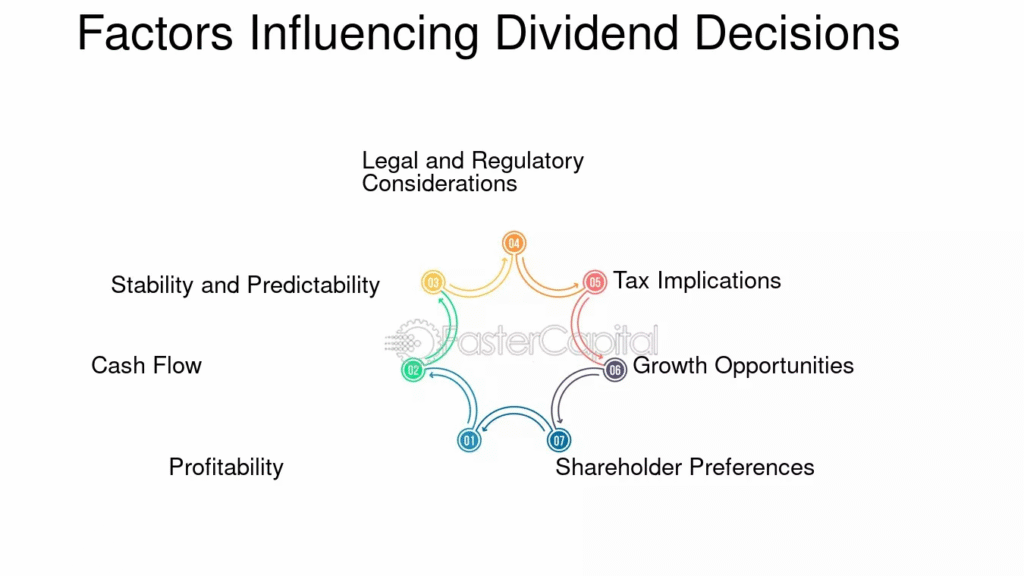
Several things influence cony dividend history. First, company profits are key. Higher profits usually lead to higher dividends. Second, market conditions can affect how much the company decides to pay. In tough economic times, dividends may be reduced. Third, company growth and investment needs can influence dividend decisions. If Cony reinvests profits into new projects, it might temporarily reduce dividends.
Understanding these factors in cony dividend history helps investors prepare for changes and avoid surprises. It also shows that dividend history is not just random numbers but a reflection of real financial decisions.
How Investors Use Cony Dividend History to Make Decisions
Investors use cony dividend history in many ways. Some look for steady income from dividends, while others focus on dividend growth over time. By studying past trends, investors can predict future payouts and plan their portfolios.
For long-term investors, cony dividend history is a guide to financial stability. It helps decide whether to invest in Cony or other companies. Smart investors combine dividend history with other financial data to make the best choices.
Comparing Cony Dividend History with Other Companies
Checking cony dividend history alongside other companies is useful. Investors can see which companies pay higher dividends, which ones grow their dividends fastest, and which are most reliable.
This comparison helps investors find the best companies for their goals. If Cony has a strong and consistent dividend history compared to peers, it may be a safer and better choice for long-term investment.
Trends and Patterns in Cony Dividend History
Analyzing cony dividend history shows patterns over time. Some trends include consistent increases, occasional cuts, or stable payments. Recognizing these trends is important for investors who want predictable income.
Patterns in cony dividend history can also reflect company strategy. For example, steady growth in dividends may show that Cony prioritizes shareholder returns while expanding business operations. Investors can use these patterns to forecast future dividends and make smarter investment plans.
Why Cony Dividend History Matters for Long-Term Investors
Long-term investors pay close attention to cony dividend history because it impacts wealth building. Dividends can be reinvested to buy more shares, which grows investment value over time.
A strong cony dividend history provides income and shows company reliability. Investors who hold shares for years can benefit from both dividends and potential stock price growth. This makes cony dividend history an essential tool for financial planning and wealth creation.
Impact of Market Changes on Cony Dividend History
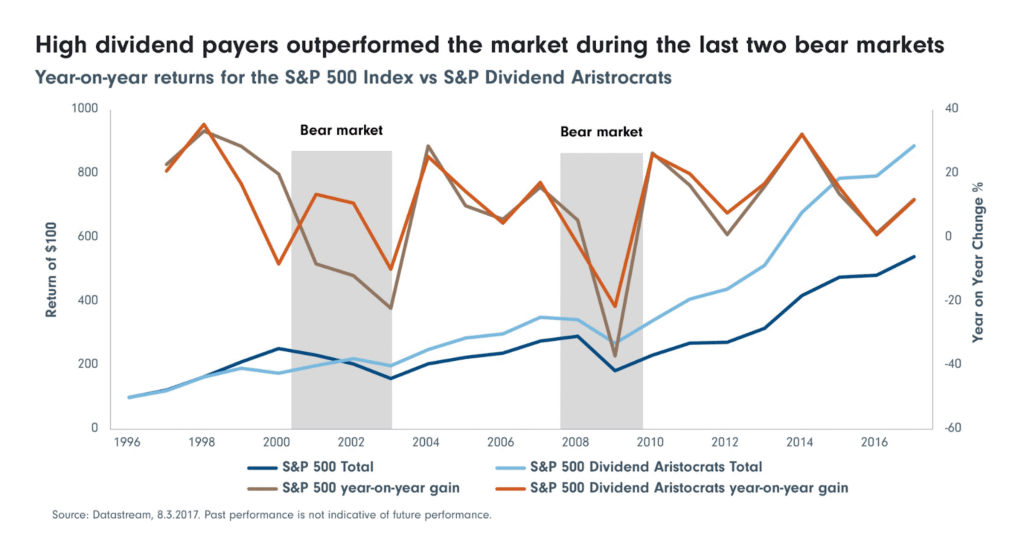
Market conditions play a big role in cony dividend history. During economic booms, dividends may increase. In recessions, the company may reduce payments to conserve cash.
Understanding how market changes affect cony dividend history helps investors stay prepared. They can adjust their portfolios to reduce risk while maximizing income. This knowledge also helps investors stay calm during market volatility, knowing that dividend patterns are influenced by more than just company performance.
Conclusion
Cony dividend history is a valuable tool for investors who want to understand the company’s financial health and shareholder commitment. By studying cony dividend history, investors can see patterns of payment, stability, and growth. It helps plan investments, predict income, and compare Cony with other companies.
For both new and experienced investors, cony dividend history is not just numbers; it tells a story about the company’s past, its financial decisions, and its future potential. Understanding this history allows investors to make smarter choices and build long-term wealth. Cony’s commitment to paying dividends consistently shows that it values its shareholders and has a strong strategy for growth.
FAQs
Q1: What is cony dividend history?
A1: It is the record of all dividends paid by Cony to its shareholders over the years.
Q2: Why is cony dividend history important?
A2: It helps investors understand company stability, predict future payments, and plan investments.
Q3: How often does Cony pay dividends?
A3: Dividends are usually paid quarterly, but this may change depending on company performance and market conditions.
Q4: Can cony dividend history predict future dividends?
A4: Yes, past trends can help predict future payouts, though other factors like market conditions should also be considered.
Q5: How does cony dividend history help in investment decisions?
A5: It shows the company’s reliability, growth patterns, and helps investors plan long-term income strategies.














Leave a Reply